
Ownership
Papakāinga & Family Land
Tiny Home Finance for Papakāinga and Family Land
If you have access to suitable whānau or family land, Home Now Finance can help you finance the dwelling itself, even where you don’t personally own the land. We arrange finance for tiny homes and relocatable dwellings where the landowner supports the arrangement.
Particularly relevant if you’re looking at intergenerational housing, papakāinga-style living, or placing a home on parents’, children’s or wider whānau land.
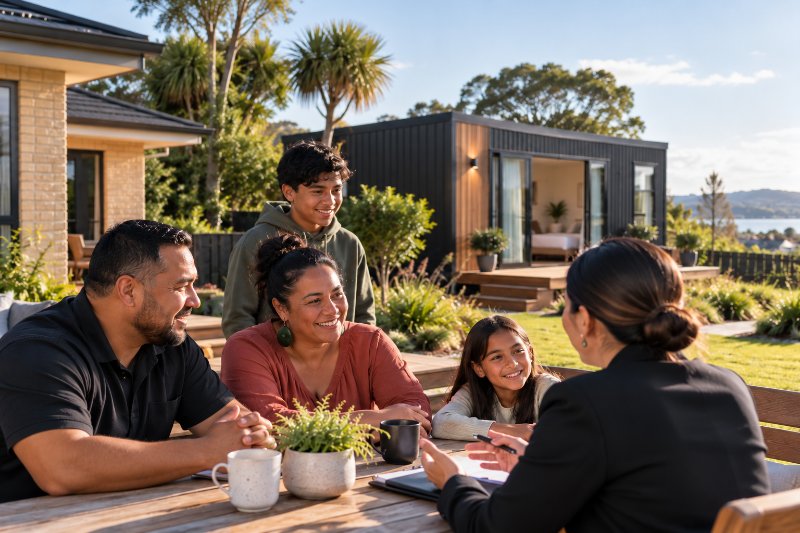
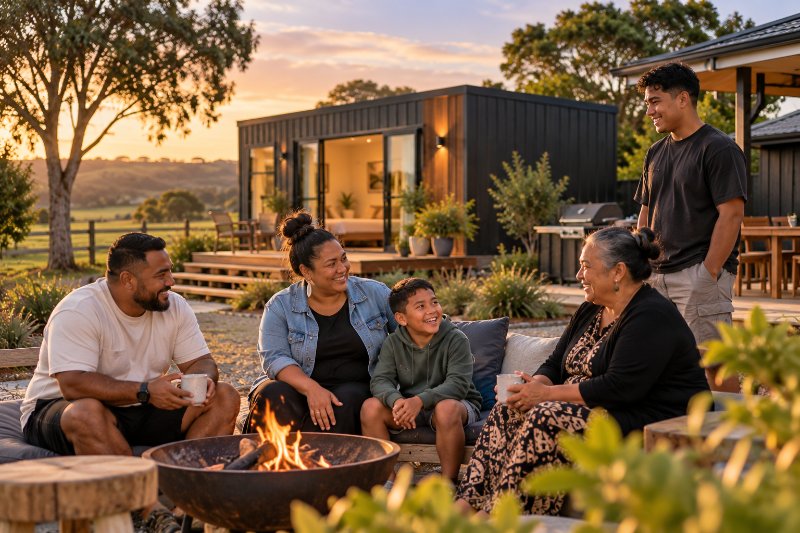
Financing a Tiny Home on Land You Don’t Own
Yes, this is exactly what we specialise in. Our tiny home lending structure lets the dwelling itself form part of the loan security. Where someone else owns the land, they formally acknowledge the arrangement in writing, and we guide you both through exactly what that involves. That’s a genuinely different starting point from a conventional mortgage, where the lender takes security over the land itself.
What Papakāinga Means
Papakāinga is housing developed on ancestral or whānau land, built around the connection between people and that whenua rather than a standard subdivision model.
It ranges from a single whare on whānau land right through to multi-home developments. Home Now Finance’s role is clear and focused: we finance the dwelling. For everything else in a papakāinga project, governance, land structure, and the wider vision for the whenua, specialist Māori land and legal advisors are the right people alongside you, and we’re glad to work in step with them.


How Family Land Can Change the Numbers
A family-land arrangement splits two major costs that usually arrive together: the land, and the dwelling. With suitable land already available, you only need to finance the home and its setup costs, not buy land at the same time. That genuinely shifts the starting point for a first home buyer, a retiree, or any whānau member weighing up options, often by years.
What Does the Landowner Need to Do?
Where you don’t own the land, we may need a formal landowner acknowledgement or other documentation confirming the home can be placed and occupied there. The exact document depends on the finance product and the land arrangement, but both sides should understand:
- where the home will sit
- how long it can stay there
- access rights
- utility and service arrangements
- who’s responsible for site costs
- what happens if the borrower moves
- what happens if the finance agreement isn’t met
- that the home can be removed if required

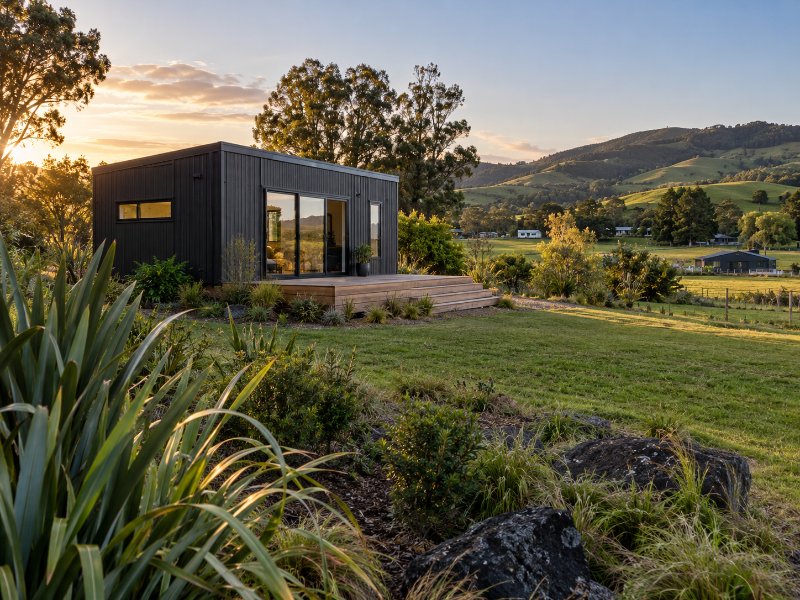
Financing a Home on Māori Land
We finance homes on Māori land and are familiar with the extra steps these arrangements can involve. The right approach depends on the specific land title, ownership structure and occupation rights. Multiply-owned Māori land and papakāinga developments often bring extra people and extra care into the process, and that’s completely normal.
We handle the dwelling-finance side, and we’re happy to work alongside Māori land specialists, lawyers and other advisors supporting your wider project, so everyone’s moving in the same direction.
Family Land for First Home Buyers
Access to family land can remove one of the biggest costs in conventional home ownership. A tiny home can then let you own the dwelling, live close to family, keep the initial purchase price lower, build a more independent living arrangement, and still work towards whatever comes next. Our First Home Buyers page covers this pathway in more detail.


Getting Started
Who owns the land? Individually, jointly, trust-owned, multiply owned, or another arrangement, we’ll work with whatever applies.
Who can approve the home going there? We’ll help you work out what’s needed, alongside your own advisors where required.
What home are you buying? Supplier or seller details, purchase price, dimensions, age, and anything else relevant.